Reference desk
Twenty-two questions about digital eSIMs, without the inflated promises
A short answer can be useful before a flight, provided it does not impersonate the provider that manages a reader’s line. These answers explain the terms and the next evidence to gather; they do not issue profiles, confirm eligibility or diagnose an account.
Basics and compatibility
1. What is a digital eSIM?
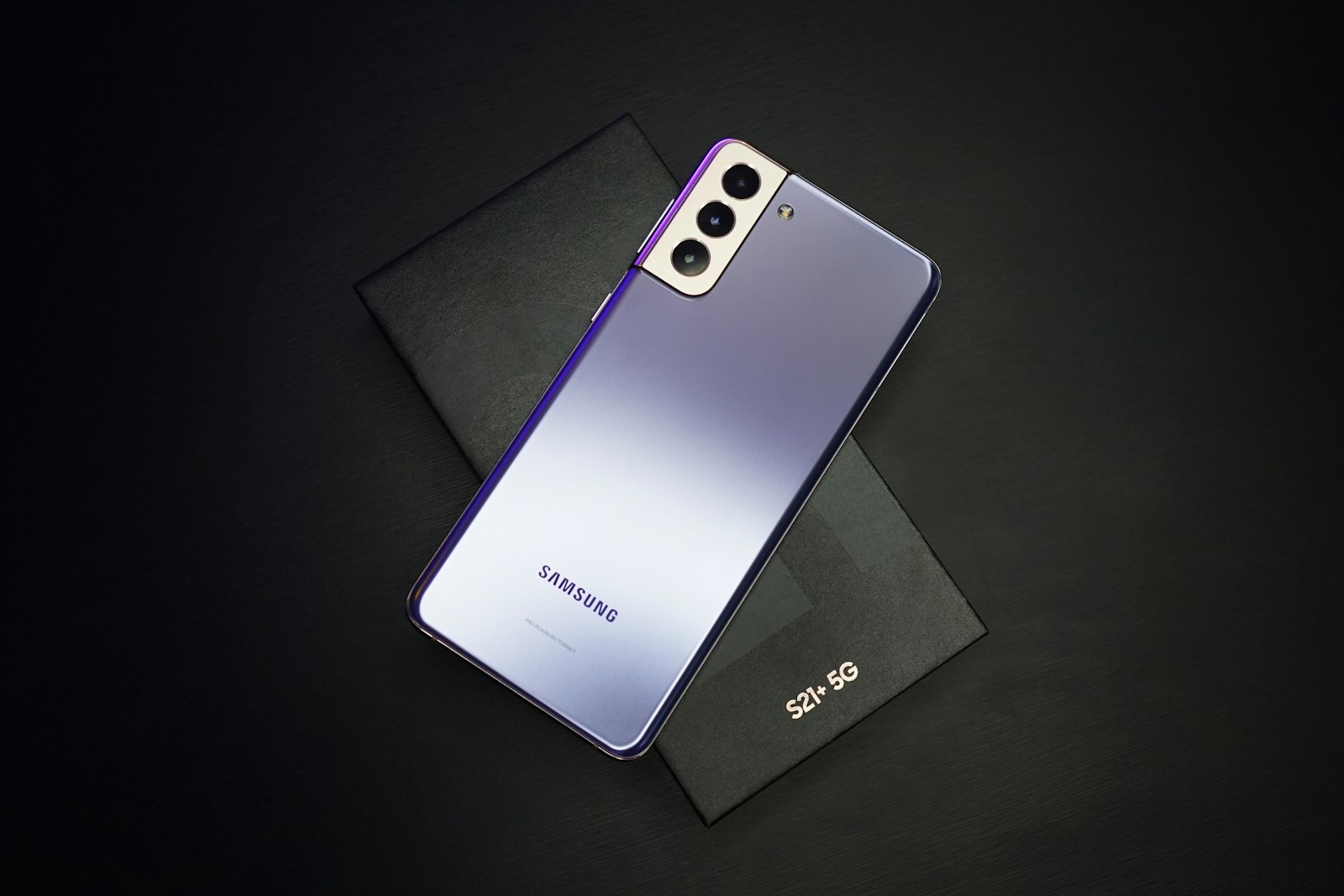
It is a subscriber profile managed electronically on a compatible device rather than only on a removable SIM card. The phrase describes a delivery and management method, not a universal mobile product.
2. Is an eSIM a physical card?
No. A physical SIM is removable. With eSIM technology, a compatible device can receive a profile electronically and manage it through its settings.
3. Does every phone support eSIM?
No. Support depends on the exact model, regional version, installed software and sometimes the phone’s carrier status. Start with the device in your hand.
4. How do I check my phone?
Inspect cellular settings, record the model identifier and ask the original carrier or supplier about lock status. Our device guide gives the evidence order.
5. What is a profile?
A profile contains credentials associated with a mobile subscription. A friendly line label in settings helps the user, but it is not the profile itself.
6. What is remote SIM provisioning?
It is the standards-based process for delivering and managing an eligible subscriber profile electronically. The long guide separates the standard from the travel experience.
Installation and line selection
7. Is a QR code an eSIM?
No. It may carry installation information. It is not the profile, a guarantee of eligibility or a reason to share activation information publicly.
8. Should I install before travelling?
Read the supplier’s instructions. Reliable access before departure can reduce setup dependencies, but the permitted timing can be specific to the service.
9. Do I need Wi-Fi to install?
Some routes need an internet connection before the new line can provide one. Keep the original instructions and a second-screen option available.
10. Can I keep my usual number?
Often a device can manage more than one line, but active combinations and defaults depend on the device and service arrangement. Check before changing settings.
11. What is dual SIM?
It describes a device arrangement involving more than one line. It does not promise that every profile, voice route and data choice will work alike.
12. Can multiple profiles be stored?
Many compatible devices can store several profiles. Storage and active-use behaviour varies, so use the device’s own menu as the current reference.
13. Which line uses data?
The cellular settings normally show a data-line selection. Confirm it directly; adding a line does not necessarily make it the data default.
14. Should I remove an old profile?
Do not assume removal is necessary or consequence-free. Keep any instructions needed to restore the arrangement and follow the relevant service guidance.
Travel, roaming and troubleshooting
15. What does roaming mean here?
It concerns using a mobile subscription away from its home network arrangement. Terms and controls are determined by the relevant operator or provider.
16. Will a travel eSIM work in every country?
Do not assume so. Check current published terms for every destination, then keep an offline plan for travel moments where data may not be ready.
17. Why did installation fail?
The cause can involve compatibility, a lock, profile eligibility, credentials or connectivity. Record the exact message and contact the issuer’s official support route.
18. Should I delete and reinstall?
Only follow the supplier’s current guidance. Repeated deletion can complicate a problem and may remove evidence that the issuer needs to assess.
19. Can esimly activate a profile?
No. esimly is an independent editorial resource. We cannot access a provider account, issue a profile or inspect a mobile network.
20. Is a physical SIM less secure?
They are different form factors. Account protection, device security and operator practices matter more than a simple physical-versus-digital hierarchy.
21. What should I save before changing settings?
Save line labels, current data and message defaults, installation instructions and an offline first-hour travel plan. A screenshot is often sufficient.
22. Can a tablet use eSIM?
Only some cellular-capable tablet models have that capability. A Wi-Fi-only tablet will not show mobile-line controls, regardless of the operating system.
23. Who should I contact for an account problem?
Contact the operator or provider that issued the line through its official channel. For an editorial correction, use our contact page.
Reading the answer well
The three facts that make an answer reliable
For nearly every practical question, retain three facts: the exact device, the exact line or profile arrangement, and the exact moment in the journey. “My eSIM does not work” is a useful starting report, but it can describe a rejected installation, an inactive line, an unselected data connection or a restriction that belongs to the original phone contract. The remedy begins with naming the event more precisely.
A traveller can do that without exposing private details. Note the device model, software version, settings wording, current line labels and the full error message. Keep QR codes, activation strings and account identifiers out of a public message. Those are credentials, not useful evidence for an independent explainer.
Before asking for help
Read the original instructions once, while the device is charged and a stable connection is available. Confirm which line is selected for data, which line should receive messages and whether a previous setting changed the desired behaviour. Then approach the organisation that issued the mobile service if the issue concerns that service. It can see account details that this publication never receives.
For terminology and preparation, compare the related standards guide, device file and travel notes. If an answer here is unclear or inaccurate, send the page URL and an official source through the editorial contact page.
Good preparation does not require an expert vocabulary. It requires a clear device record, instructions from the party responsible for the service and a small offline plan. Those three items make the answer to a practical question easier to verify and easier to act on.
Do not confuse an editorial explanation with a provider confirmation. The first helps frame a question; the second can inspect the service.
That is the purpose of careful preparation.
Clear facts make later support conversations more useful and less stressful.
Record the exact prompt before seeking assistance.